
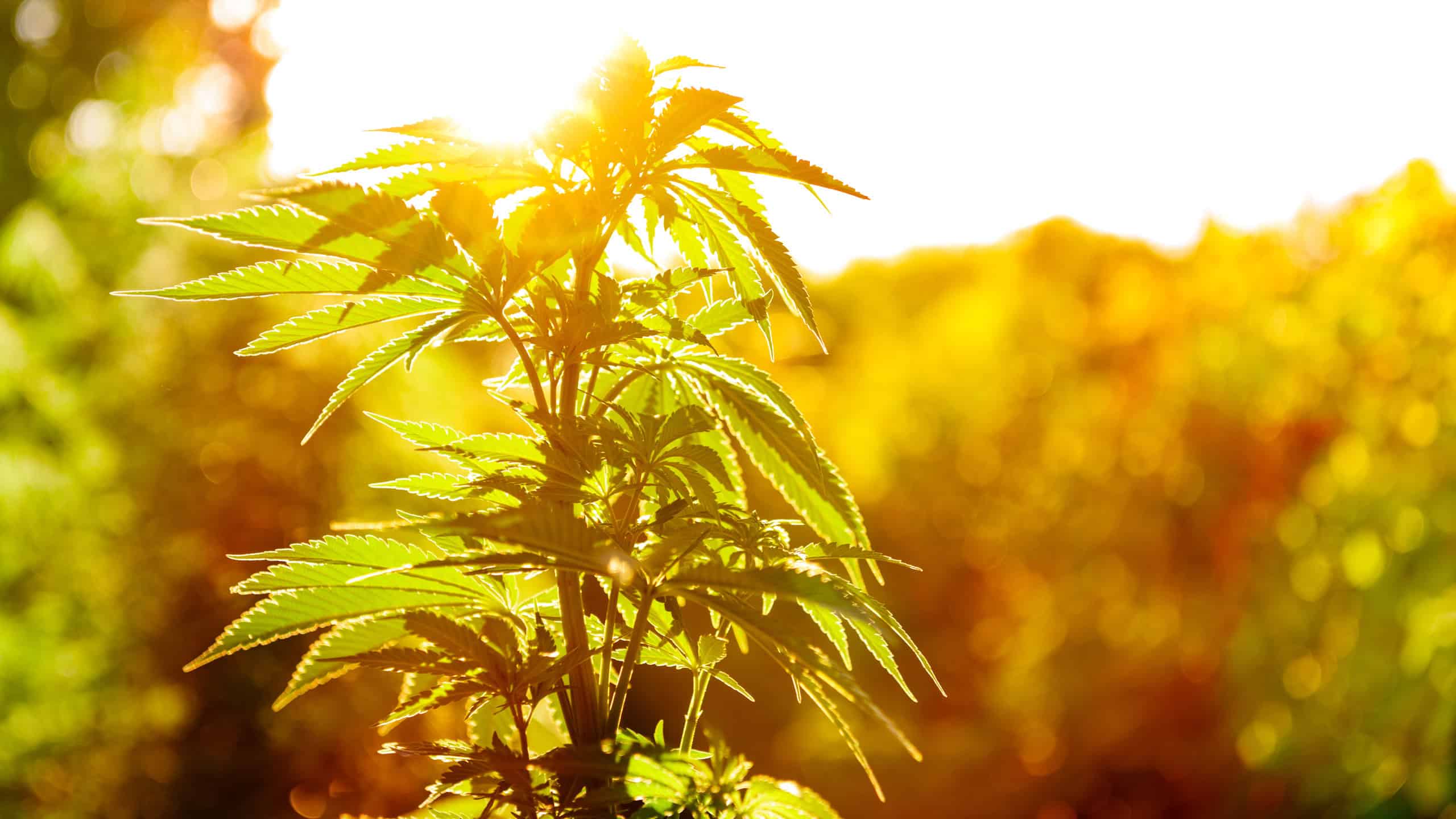
In the heart of Alaska, a few miles outside Fairbanks, sits a farm doing what many people believe is impossible: growing cannabis plants under the midnight sun.
Rosie Creek Farm is a labor of love from Mike Emers, a farmer who has used this land to grow flowers, organic vegetables, and now, cannabis.
Key Takeaways:
- Rosie Creek Farm, run by Mike Emers outside Fairbanks, holds Alaska’s first cannabis cultivation license, issued after the state legalized recreational use in 2016.
- The farm grows cannabis directly in the ground using Alaska’s 20+ hours of summer daylight, relying on autoflower genetics to work within the state’s short growing season.
- For 11 seasons, Emers has developed Alaska-specific strains by crossing the strongest plants each year. As a result, he has produced mold-resistant varieties suited to the local climate.
- Unlike most indoor-grown Alaskan cannabis, Emers embraces the unpredictability of outdoor agriculture. In fact, he treats plant loss and unintended crosses as part of the process, not failures.
- The farm is building new facilities for in-house concentrate production. Emers is working to trademark its strain names as part of a broader effort to help define Alaska’s cannabis market.
A True North Pioneer
Emers first grew his own cannabis back in high school, growing plants from seeds he found in his bud. But he moved away from the plant in college, and it wasn’t until Alaska legalized recreational cannabis in 2016 that he returned to it. Rosie Creek Farm holds the honor of being the first to receive the state’s cultivation license.
Emers approached growing cannabis with the practicality of a longtime farmer. He knew that autoflowers were necessary to work with Alaska’s short growing season. He had no qualms about taking out a dying plant or fighting off insects.
Along with his team of farmhands, Emers is spearheading the development of Alaskan-specific cannabis genetics. I had the honor of touring his farm during peak growing season in June, when the sunlight is nearly endless and the plants practically double in size week after week.
The Rosie Creek Farm motto says it all: “Midnight Sun Magic in Every Strain.”
Developing Cannabis Genetics for the Alaskan Climate
Emers grows over 10,000 plants per season from a combination of his own genetics and seeds from Atlas Seed.
His journey into developing genetics started with a happy accident. The first season, he planted Onyx, an auto-flowering cross of White Russian x Nepal x AK-4, along with a handful of super autoflowers. The Onyx crossed naturally with one of the super autos, and a genetic legacy was born. Emers named the resulting strain Rosebud.
He describes his process as “what farmers have done forever”: picking the best plants, crossing them, and developing the strongest crosses, season after season.
After every harvest comes an experimental time when his team grows 50 plants per cross to find the best version of each to plant in the next season.
A Strain Library Made for the Midnight Sun
2026 marked Emers’ 11th growing season in Alaska, and his strain development is in full swing. The result is a strain library adapted to Alaska’s unique climate. These plants flower quickly under the near-constant summer sun. They have moderate THC and surprising mold resistance.
The team plants seeds in March or April, depending on how severe the previous winter was. First, they start seeds in greenhouse soil blocks for warmth. Later, they move full-sun plants outside as seedlings, while greenhouse plants remain under the canopy.
Rosie Creek Farm strains include:
- AvGas (Sour Diesel x Haze)
- Chimney Fire (Sour Diesel x Cabin Fever)
- Cabin Fever (Rosebud x Dinafem’s Cheese)
- High Bush Cranberry (Mazar x Skunk)
- Ice Fog Kush (Humboldt Seeds OG Kush x Rosebud)
- River Trip (Dinafem White Widow x Rosebud)
- Harvest Moon (Grease Gun x Rosebud)
- Rosebud (Onyx (Shortstuff) x Big Auto (Top Tao) x Hubbabubbasmelloscope (Mephisto))
Rosie Creek Farm strains take their names from Alaska and its unique culture that blends avid outdoorsmanship, geographic isolation, and a deep sense of community. Plants are grown directly in the ground, insulated with black tarp. They are carefully tended under the 20+ hours of sunlight the farm receives in the summer. Rows of cannabis are co-planted with flowers like black-eyed Susans, calendula, and poppies.
Atlas Seeds genetics bridge the THC gap, with high THC percentages and robust terpene profiles. These seeds are less mold-resistant, so the team tends to these flourishing plants in greenhouses.
Embracing Cannabis as an Agricultural Product
Alaska’s cannabis market offers many high-quality products. Most flower is grown indoors, where growers control every aspect of the plant’s life cycle. Emers has no such protections when growing outside, but the challenge doesn’t faze him.
“This is the way plants should be grown,” Emers says. “I love growing plants, and I want to grow like this.”
Some years are easier than others. In wet years, Rosie Creek Farm genetics do well, while the Atlas Seed crop suffers. During warm, dry years, everything flowers well. Some years, the insects are worse than others. “It’s all cyclical,” Emers says with a shrug.
His background in agriculture helps him keep perspective. “You have to have a different mindset [than indoor growers] when you’re growing cannabis in an agricultural setting,” he says. “You’re going to lose plants for a few reasons, and that’s something to plan for, not run from.”
It’s not just about a willingness to yank out a dying plant. It’s about embracing the uncontrollable aspects of growing outdoors. Emers and his team scan plants carefully for males and remove them quickly, keeping some plants available for fertilization and experimentation.
Unintentional crosses happen, a fact of growing that Emers embraces. He often keeps and develops these crosses during the off-season as he searches for stable genetics to add to his strain library.
The Alaskan Cannabis Market
It’s a beautiful thing to see the cannabis plant in its natural element in the far north, tended to by people who truly love what they do.
Development is the plan for Rosie Creek Farm’s future, with new buildings going up to expand production and give Emers the resources to press his own concentrates. He’s working on trademarking his strain names and hopes to establish defining strains for the Alaskan cannabis market.
Alaska is not often discussed within the context of the national cannabis scene. Nevertheless, the state has been quietly developing a robust cannabis market with high-quality flower, innovative edibles, and consumption lounges that rival even the most developed cannabis markets. Ultimately, it’s all thanks to people like Mike Emers, who jumped in with both feet at Rosie Creek Farm and spent the last decade navigating the challenges of owning a business in weed.
Keep up with strain news and other developments at Rosie Creek Farm on Instagram @rosiecreekfarm.
FAQs About Rosie Creek Farm
- Where is Rosie Creek Farm located? It’s located a few miles outside Fairbanks, Alaska.
- How does the farm manage to grow cannabis outdoors in Alaska’s climate? The farm relies on autoflowering genetics suited to Alaska’s short growing season, plants seeds in March or April, starts them in a greenhouse for warmth, then moves them outdoors as seedlings to grow under the 20+ hours of summer sunlight.
- What cannabis strains has Rosie Creek Farm developed? Their lineup includes AvGas, Chimney Fire, Cabin Fever, High Bush Cranberry, Ice Fog Kush, River Trip, Harvest Moon, and Rosebud, their foundational strain.
- Is Alaska a significant player in the national cannabis industry? While not often highlighted nationally, Alaska has quietly built a strong cannabis market with high-quality flower, innovative edibles, and consumption lounges comparable to more established markets.
PufCreativ Supports Small Businesses
If you’re currently operating in Alaska or interested in opening a cannabis business, PufCreativ is here to help.
Reach out to our team today to discuss a new website, a robust SEO strategy, email marketing, and text communications that keep your customers coming back.
DISCLAIMER: The contents of this blog are intended for informational purposes only. Always seek the advice of a physician or other qualified healthcare provider with any questions you may have regarding a medical condition.
