Europe’s cannabis story just got real. On January 1, 2026, the Czech Republic stepped into a newly liberated chapter, allowing adults 21+ to grow up to three cannabis plants at home and possess up to 100 g of dried flower. This is a signal that one of Europe’s most historically cannabis-aware nations is moving from decriminalization to legal access, and that brings massive implications for industry players, tourists, and investors alike.
In this blog, we’ll look at what these changes mean for operators, how tourism and investment could shift, and what the future may hold for this pivotal European market.
 What the Reform Changes (and What It Doesn’t)
What Changes
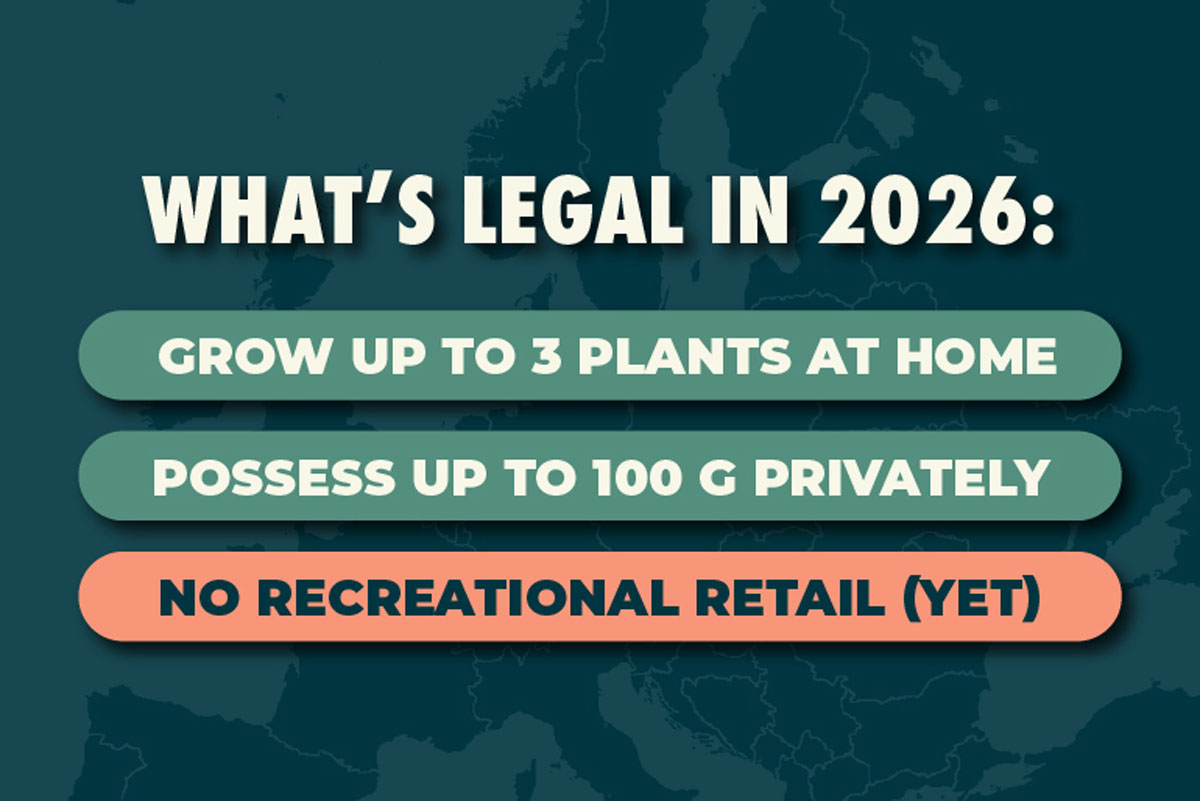
- Adults aged 21+ will be permitted to grow up to three cannabis plants in their private residences.
- Home possession limit will increase to up to 100 g of dried cannabis flower.
- Public possession limit will increase to up to 25 g.
- The law becomes effective January 1, 2026, after being signed by President Petr Pavel.
What Doesn’t (Yet)
- Commercial sales of recreational cannabis remain prohibited under this reform. This phase is focused on home cultivation and personal use, not retail legalization.
- A full regulatory framework, like licensing, retail outlets, and social clubs, has not been finalized or included yet, meaning the industry is still in a transitional phase.
This reform marks a major step forward for the Czech Republic, but the commercial market, supply chain development, and retail infrastructure are still unfolding.
 Industry Opportunities: New Markets & Investment Channels
The Czech Republic’s 2026 reform is a signal flare for new business potential. While this phase centers on home cultivation and personal possession, the ripple effects for industry growth, investment, and innovation are already taking shape.
Cultivation, Processing, and Product Innovation
With home cultivation now legalized, a fresh B2C market is emerging. Expect a surge in demand for grow equipment, nutrient solutions, genetics, and educational resources that empower home growers. Ancillary businesses that can make cultivation easier, safer, and compliant will find a strong footing early.
Ancillary Services and Compliance Consulting
For entrepreneurs and service providers, the reform creates opportunities in marketing, packaging, testing, and compliance consulting, especially as the country prepares for potential future commercial frameworks. Companies that establish trust and expertise now will have a first-mover advantage when broader legalization arrives.
Export and Regional Gateway Potential
Strategically positioned in Central Europe, the Czech Republic could become a regional hub for cannabis exports and low-THC hemp derivatives, particularly as EU policy harmonization evolves. The country’s strong agricultural infrastructure and liberal stance make it a likely leader in the continental cannabis economy.
Investment and Capital Flow
Investors are already watching Czechia as an entry point into the European market. Expect capital to move toward infrastructure, logistics, technology, and cannabis tourism. Firms that can bridge the gap between compliance and creativity will be especially valuable partners.
The next phase of legalization will depend on clearer licensing frameworks, supply chain development, and ongoing regulatory alignment. Until then, patient investors and adaptable operators will be best positioned to thrive in this evolving landscape.
Tourism and Cultural Impact
The Czech Republic has long been a destination for free thinkers, artists, and travelers drawn to its open-minded spirit, and now, cannabis is officially part of the story. The 2026 reform has the potential to redefine the nation’s tourism landscape, strengthening its reputation as one of Europe’s most progressive cultural hubs.
Cannabis Tourism on the Rise
With adults now permitted to grow and possess cannabis for personal use, the reform may inspire a new wave of responsible cannabis tourism. While commercial sales aren’t yet legalized, travelers will likely seek cannabis-friendly accommodations, workshops, and educational experiences centered on cultivation, wellness, and sustainability, similar to early tourism patterns in Spain and Portugal.
Destination Branding: Progressive, Not Reckless
This reform positions the Czech Republic as a trailblazer in European cannabis policy, alongside pioneers such as Malta and Germany. For tourism boards and local businesses, that progressive image can fuel new forms of destination branding, from “green-friendly” hospitality to wellness retreats that integrate natural plant medicine into their offerings.
Social Clubs, Lounges, and Hospitality Intersections
If the next phase of reform expands to include social clubs or consumption spaces, Czechia could follow models seen in Spain or the Netherlands. These hubs would create space for education, community, and cultural exchange, allowing tourists and locals to experience cannabis in a safe, social setting. Plus, it supports the local economy.
Cultural Shifts and Local Economies
As attitudes evolve, so will the country’s cultural fabric. Expect to see more open conversations about harm reduction, plant science, and economic opportunity. In addition, we’ll see a reduction in stigma and enforcement disparities.
For many, this reform modernizes how society views freedom, wellness, and responsibility.
Risks and Headwinds for Investors and Operators
While the Czech Republic’s reform opens exciting new possibilities, it also brings uncertainty. The country is entering uncharted territory.
- Political Volatility: Changes in political leadership or public pressure could slow or reshape implementation, especially around future commercial licensing and social club permissions.
- Still-Limited Commercialization: At this stage, there’s no legal retail framework for cannabis. That means businesses will face barriers until the next phase of legalization.
- Regulatory Framework Unknowns: Key questions remain around licensing, product restrictions, advertising, and import/export compliance.
- Competition and Price Pressures: Once the market opens further, competition from illicit operators and oversupply could put downward pressure on pricing.
- Tourism vs. Local Market Tension: If tourism-focused supply outpaces domestic regulation, it could create friction in distribution, pricing, and public perception.
Big Moves Being Made in the Czech Republic. Get Ready with PufCreativ.
The Czech Republic’s 2026 legalization marks the beginning of a new European cannabis era, not its end. Home use and cultivation are now legal, but commercialization and social infrastructure are still on the horizon.
For brands, investors, and tourism operators, this is a “get ready” moment. It’s a chance to establish presence, partnerships, and regulatory awareness before the market fully opens.
Next to watch: licensing frameworks, industry rollout timelines, infrastructure development, and how Czechia’s model may influence broader EU cannabis policy.
Stay informed, think long-term, and start laying the groundwork now for what could become Europe’s most promising emerging cannabis market. If you want to partner up and ride this new wave, reach out to PufCreativ here.